
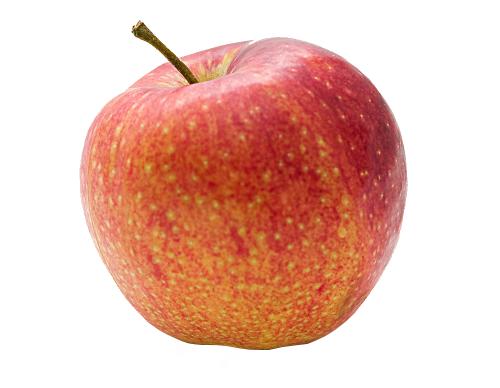

Available all year round in many different varieties!
Description
The apple tree is a deciduous tree, large in size, side-branched or upright and long-lived.
The apple tree has been known since prehistoric times, both in wild and cultivated form. Its origins lie in the region south of the Caucasus. The tree has been cultivated since ancient times in Asia and Europe; with the discovery of the New World and the settlement of settlers, many European varieties were brought to America.
The apple tree is the most widespread fruit tree worldwide, accounting for 50% of deciduous fruit trees, with a global annual production of around 60 million tonnes. Most of the world's apple production consists of table varieties. Multi-purpose varieties are becoming increasingly popular. In the past, different varieties of apples were grown in each place. However, the demands for increased production and high quality fruit have led to the creation and spread of new varieties which are now grown in different places with similar climatic conditions.
The cultivation of apple trees is widespread almost all over the world. Apple orchards can even be found in Siberia, where temperatures during the winter months can drop to -40 degrees Celsius. Until 1940 apple production in Greece was very small. Today the cultivated area is about 150 000 hectares and annual production is 350 000 tonnes, making it the second most important deciduous fruit crop after the peach. Apple cultivation in the form of systematic orchards is mainly found in central and western Macedonia, Thessaly and the Peloponnese. The largest concentration of apple trees is in the Vermio region. It is also cultivated in the prefectures of Imathia, Pella, Kastoria, Magnesia, Larissa and Arcadia.
There are about 2,000 apple varieties worldwide.
They are eaten fresh, made into compotes, used in confectionery, made into jams. They contain vitamin C, calcium, niacin, vitamin B6, phosphorus and potassium.
The apple is low in calories and is suitable for dieters. It is also a good source of fibre, especially if eaten with the peel. It contains only traces of sodium and fats. Apart from vitamins C and A, it also contains folic acid, biotin, malic acid.
Italy has the largest production in the world. It is followed by France, Japan and China. Greece ranks 6th in Europe with 140,000 tonnes per year.
Period during which the First Fruit Stand markets the apple: All year round
Packaging Guide
Types of packaging depending on the product to be packaged.